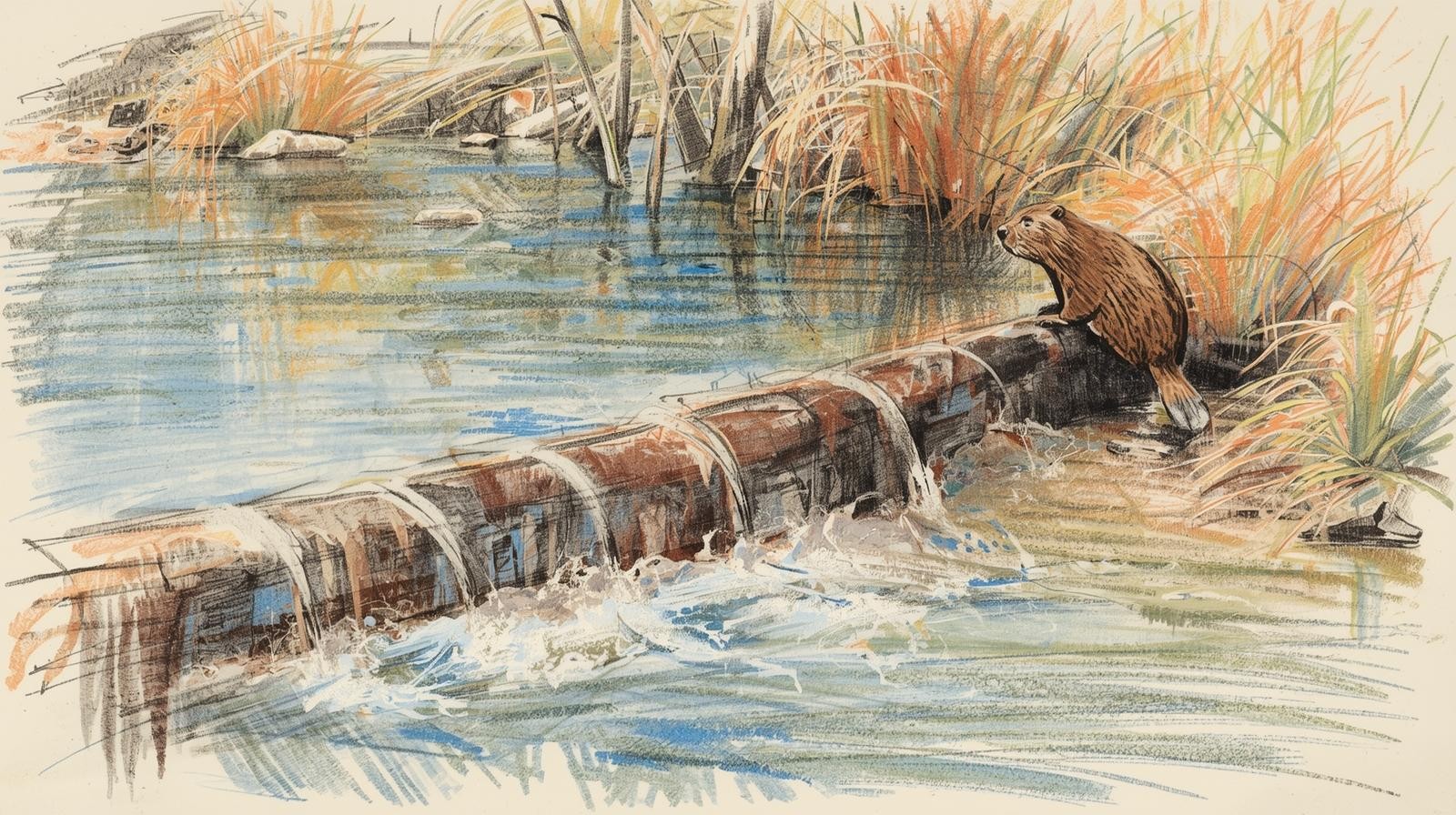
river with a beaver River science is the study of rivers as dynamic natural systems, combining hydrology, geomorphology, ecology, and social sciences. It examines how water, sediments, and nutrients move through rivers, while also exploring the habitats that support fish, plants, and other wildlife. A key focus is understanding human impacts such as dams, pollution, and land use changes, along with natural processes like flooding, erosion, and shifts in river channels. River science also contributes to the design of sustainable management and restoration projects, linking physical processes with ecological health and the services rivers provide. By supporting communities that depend on rivers for water, food, and energy, it ultimately seeks to balance human needs with the long-term protection of river ecosystems.

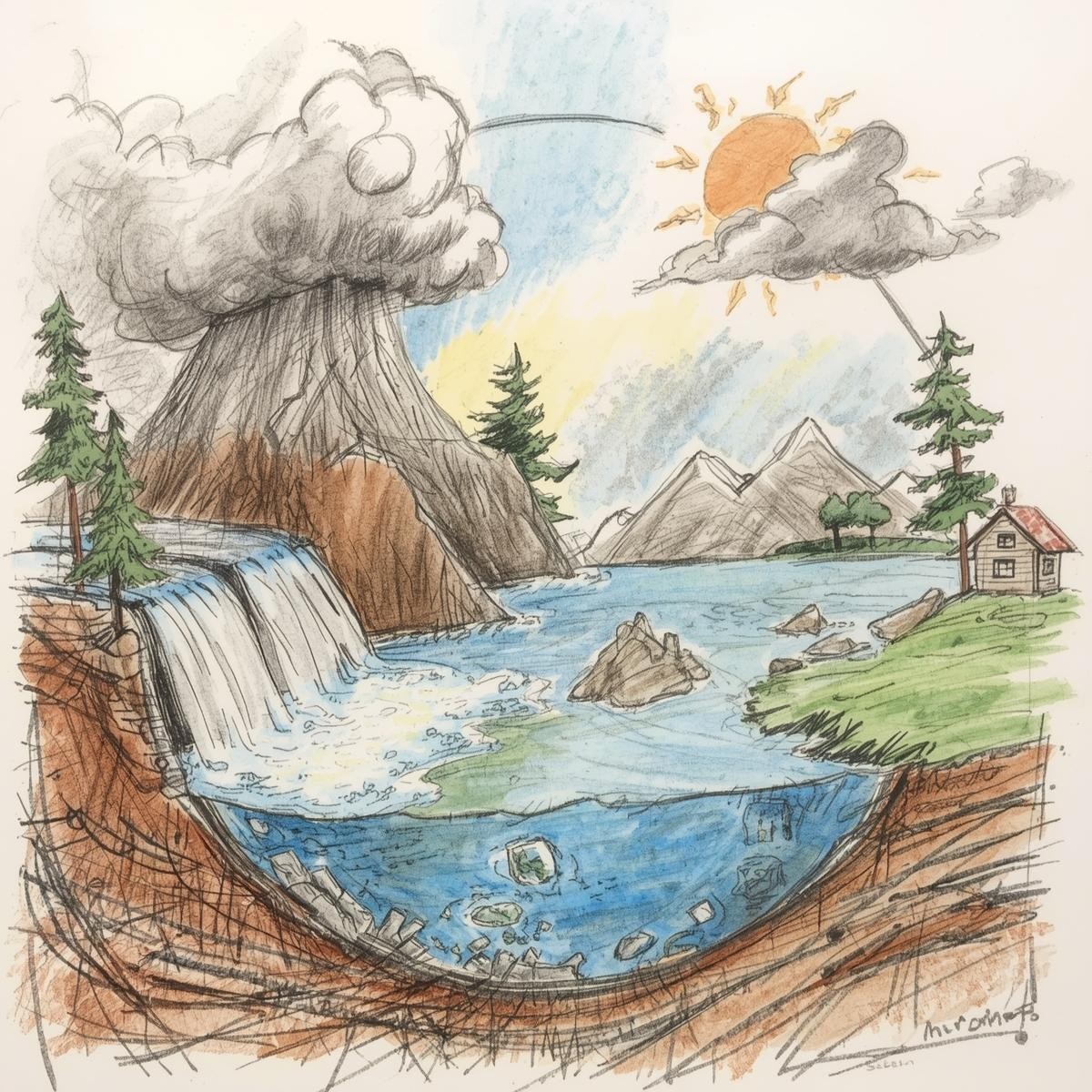
The Hydrological Cycle describes how water continuously moves through the Earth’s system. Water evaporates from oceans, lakes, and soils, forms clouds through condensation, and returns to the surface as precipitation (rain, snow, hail). Once on land, it may infiltrate into the ground to recharge groundwater, flow across the surface as runoff into rivers and lakes, or be taken up by plants and released back to the atmosphere through transpiration. This ongoing cycle regulates climate, sustains ecosystems, and provides fresh water for life.